For many graduates, late spring brings a mountain of thank-you notes to write. Graduation gifts, scholarship boards, helpful teachers, mentors—the list grows fast.
Too often, writing these notes feels like a chore, churning out predictable, linear lines: “Thank you for the gift. It was very nice. I will use it in college.”
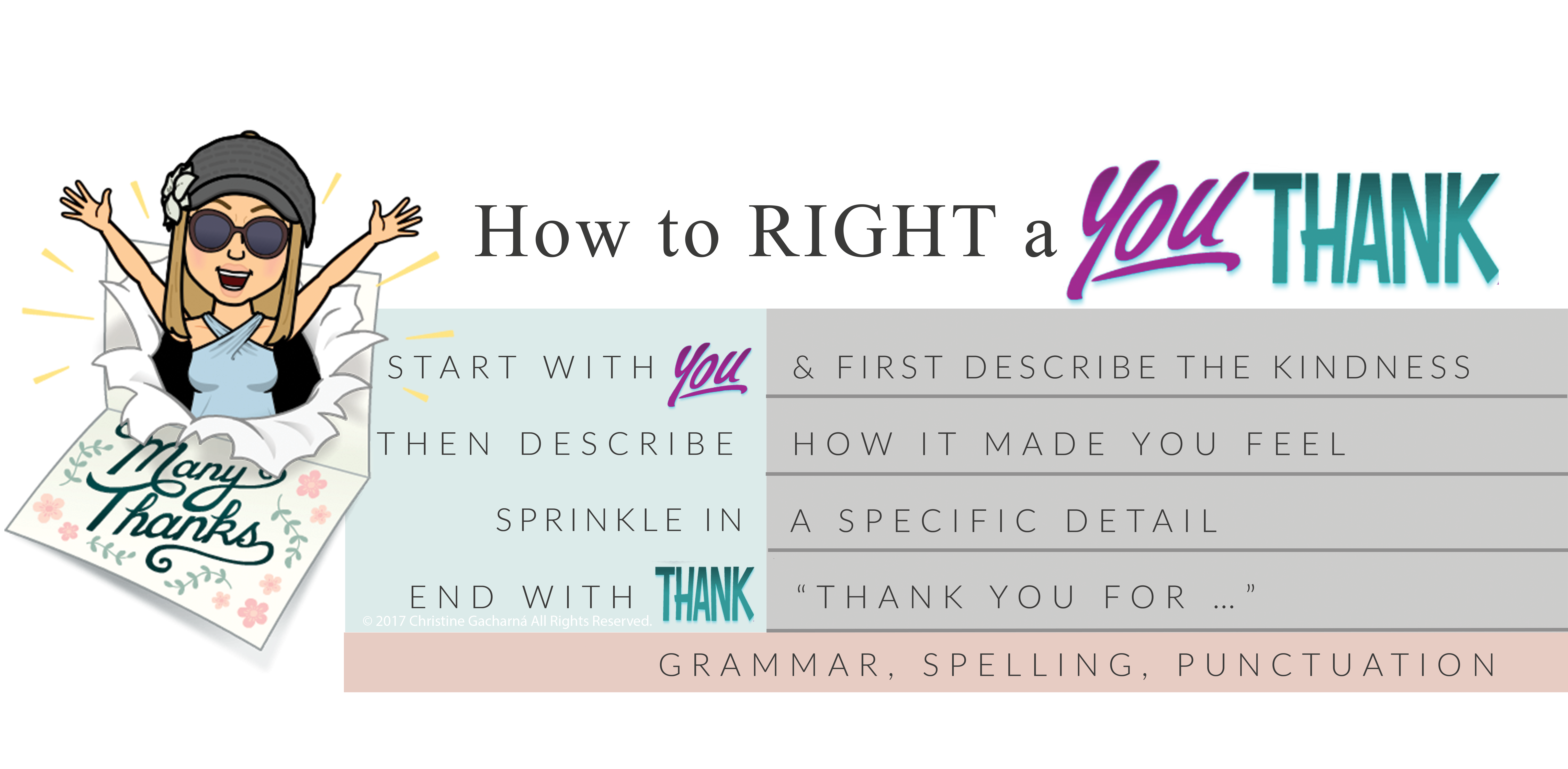
At ESSAY CURE, we approach writing differently. Good writing is good thinking. By turning conventional wisdom upside down and focusing on how you make the recipient feel, you can craft a memorable, deeply impactful thank-you note—which we call a “You-Thank”—in exactly four sentences and under four minutes.
Here is how to use the 80/20 rule of writing to master the ultimate appreciation hack.
Step 1: Flip the Writing Process (The 80/20 Rule)
The 80/20 rule states that roughly 80% of your outcomes come from 20% of your inputs. In writing, we break this down into three steps: Communicate (60%), Navigate (30%), and Punctuate (10%).
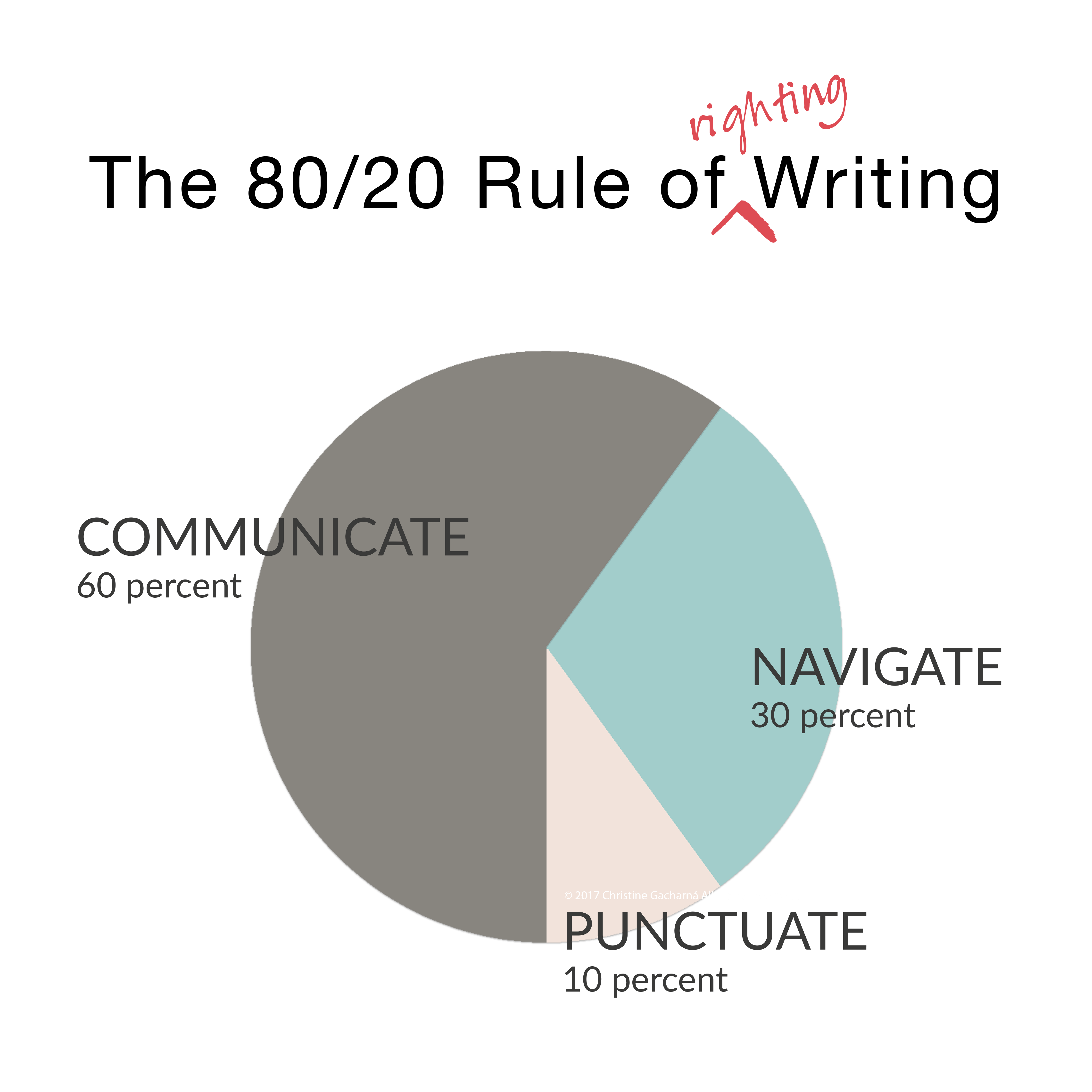
Most writers spend way too much time obsessing over grammar and spelling early on. That is the equivalent of eating a slice of cheesecake and immediately brushing your teeth with toothpaste—it’s a gross mix that ruins both experiences.
Let go of perfectionism. Dump your ideas onto the page first. Focus heavily on your content (Clarity) and your organization (Coherence) before you even think about your mechanics (Concision).
Writing is not a linear process. In fact, to write a great You-Thank, we are going to start by writing it completely out of order.
Step 2: The 4-Sentence Blueprint
People don’t necessarily remember exactly what you say, but they always remember how you made them feel. Professional writers use a lede (or a hook) to instantly capture a reader’s interest.
Because people love to read about themselves, we turn the conventional thank-you note upside down by removing “I” from the very first sentence.
Sentence 1: The “You” Lead
Start your very first sentence with the word “You.” Describe the exact kindness or gift they provided.
Example: “You have an incredible eye for style, and your graduation gift completely blew me away.”
Sentence 2: The Specific Detail
Move into the second sentence by sprinkling in a highly specific detail about the item, favor, or kindness, showing that you actually noticed and appreciated the thought behind it.
Example: “That silver necklace is the only long-chain piece I own, and it adds the perfect unique look to my wardrobe.”
Sentence 3: The Feeling
Describe the emotional impact. Connect the gift or gesture to how it made you feel or how it will help you moving forward.
Example: “Wearing it makes me feel sophisticated and incredibly excited to start my next chapter on campus.”
Sentence 4: The Conventional “Thank You”
Now that they know how wonderful they are and how much you love the gift, close it out.
Your muscle memory always wants to write “Thank you for ...” first. That’s fine, write it — knowing that you’re writing the very last sentence first.
“It is a tremendous act of violence to begin anything. I am not able to begin. I simply skip what should be the beginning.” —Rainer Maria Rilke
Example: “Thank you so much for your immense generosity and for thinking of me during this milestone.”
Step 3: Punctuate and Send
Once your four sentences are drafted, take a quick 30 seconds to polish the final 10%: grammar, spelling, and punctuation.
By restructuring the layout to put the recipient first, you instantly elevate your note from a polite obligation to a sophisticated piece of correspondence that will leave a lasting impression.
Justin —
You have given me the most interesting insight — seriously, I can’t stop thinking about the concept of AC & heating customers “self-diagnosing.” I’m still turning it over and over in my mind. It’s brilliant.
I appreciate your energy and insight, and value the time that you spent sharing your thoughts with me.
Thank you so very much for lunch,
—Christine
Dear Mrs. Favorite English Major Person (Ahem, Christine) Ma’am —
Your insight is so helpful. You see things I don’t, and once you point them out, I wonder how I didn’t see them before. I was “telling, not showing,” & I was using run-on sentences to “sound smart” rather than using short, complete sentences that communicated what I was actually trying to say.
Thank you so much for helping me to write a better essay.
—Grateful Student